
Omega-3 - are you getting enough?
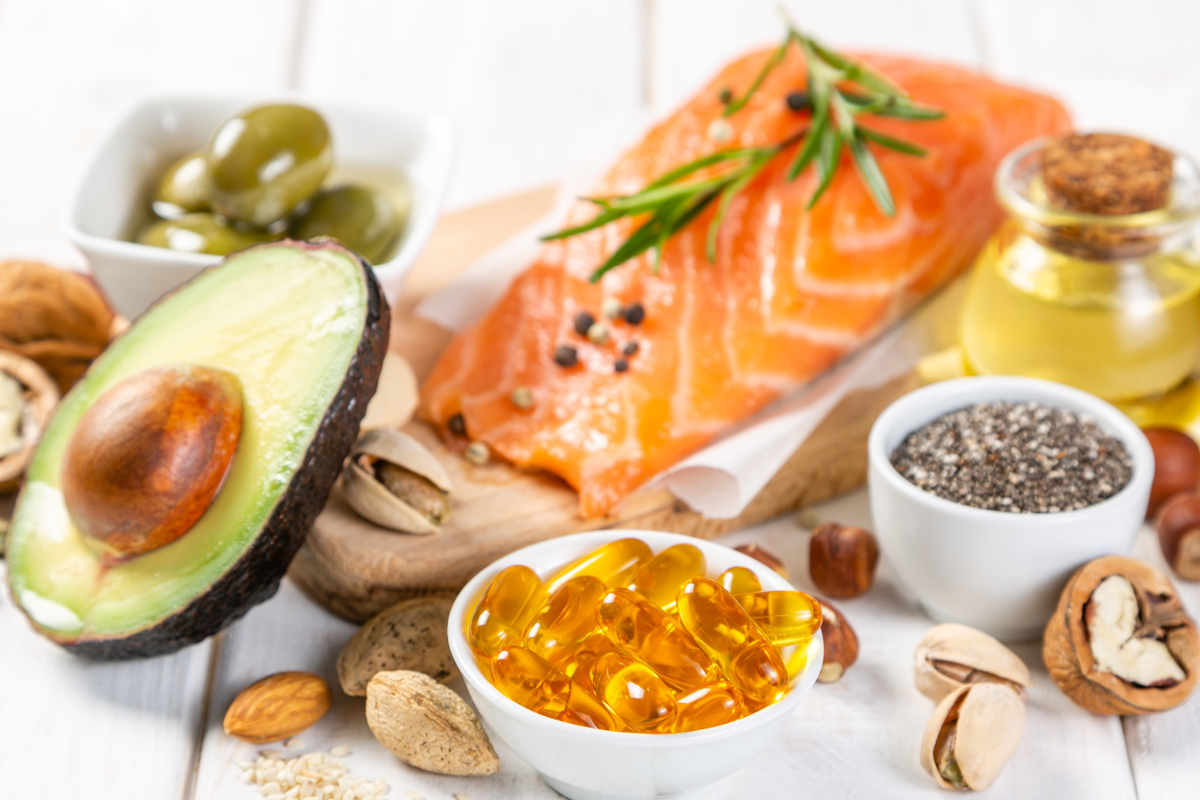
Omega-3 fats are a type of essential fat, meaning we need to get them from food because our bodies can't make enough on their own.
They play important roles throughout the body, including supporting brain function, vision, heart health, growth and development.
There are several different types of omega-3 fats:
EPA (eicosapentaenoic acid)
DHA (docosahexaenoic acid)
DPA (docosapentaenoic acid)
ALA (alpha-linolenic acid)
EPA, DHA and DPA are found mainly in seafood and fish. ALA is found in plant foods such as flaxseeds, chia seeds and walnuts.
While the body can convert some ALA into EPA and DHA, this process is relatively inefficient. This means it can be difficult to rely on plant sources alone to achieve meaningful amounts of long-chain omega-3s.
How much do adults need?
The Australia and New Zealand Nutrient Reference Values provide Suggested Dietary Targets (SDTs) for long-chain omega-3 fats (EPA, DHA and DPA) to help support long-term health and reduce chronic disease risk.
Adult women: 430mg per day
Adult men: 610mg per day
These targets are higher than the Adequate Intake (AI), which is designed to reflect an intake that is considered sufficient for most healthy people. The SDT aims to support long-term health and reduce chronic disease risk.
What about children?
For children and teenagers, official guidelines currently only provide Adequate Intakes (AIs) rather than Suggested Dietary Targets.
These range from:
1-3 years: 40mg/day
4-8 years: 55mg/day
Girls 9-13 years: 70mg/day
Boys 9-13 years: 90mg/day
Girls 14-18 years: 85mg/day
Boys 14-18 years: 125mg/day
It's important to understand that an Adequate Intake is not necessarily an "optimal" intake. Rather, it is the amount considered sufficient to meet the needs of most healthy children when stronger evidence is not available to establish a higher target.
Food sources of long-chain omega-3s
Approximate amounts per 100g:
NZ King salmon: 1900mg
Sardines (canned, drained): 1900mg
Salmon (canned, drained): 1200mg
Mussels: 570mg
Trevally: 390mg
Tuna (canned, drained): 300mg
White fish such as snapper: 270mg
Including fish or seafood 2-3 times per week can help support healthy omega-3 intake. However, if you don't regularly eat oily fish or seafood, a quality supplement may be worth considering. This could be a fish oil supplement containing EPA and DHA, or an algal oil supplement if you are vegetarian or vegan.
For people with specific health concerns, different amounts may sometimes be recommended. If you're unsure what is right for you, seek personalised advice from a qualified health professional such as one of our NZ Registered Nutritionists and Dietitians.