
PCOS is being renamed PMOS: What the new name means and why it matters
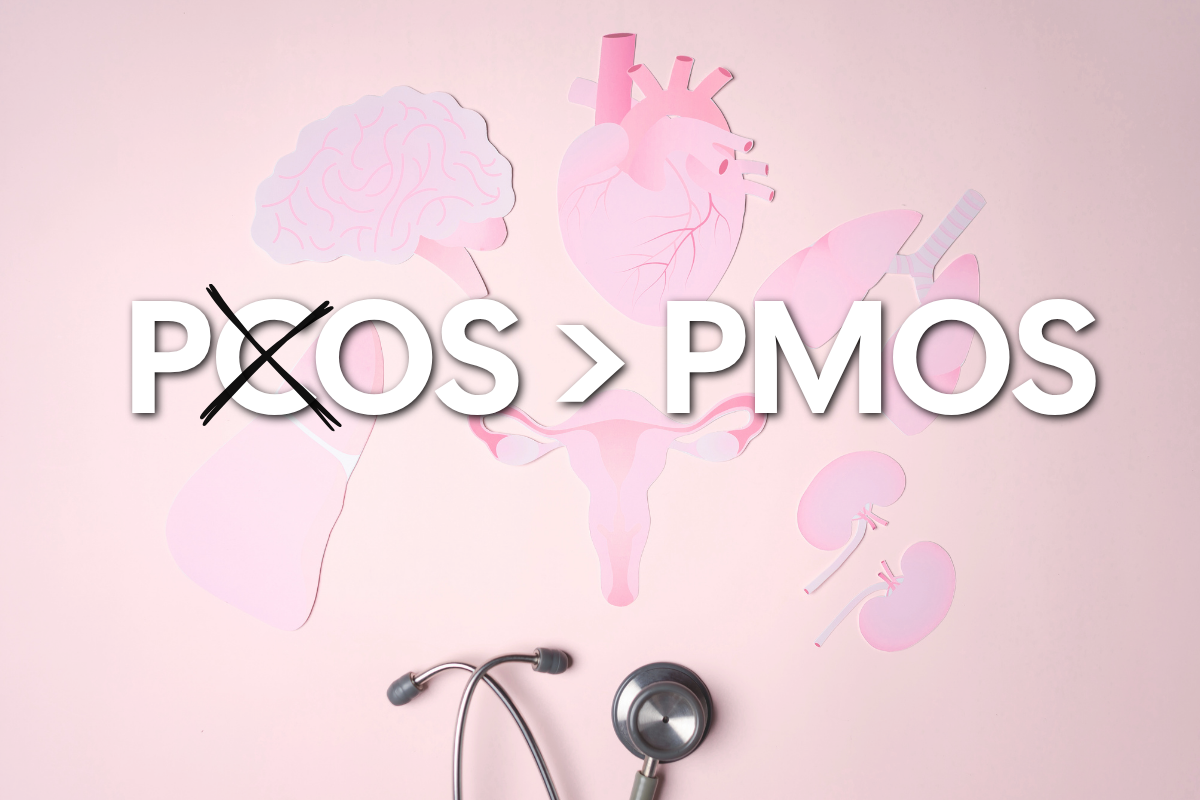
You may have heard that PCOS is being renamed PMOS.
PMOS stands for Polyendocrine Metabolic Ovarian Syndrome. It is the new name for the condition previously known as PCOS, or Polycystic Ovary Syndrome.
The condition itself has not changed. The new name is intended to better describe what is really going on in the body and to support better understanding, diagnosis and care.
Why is the name changing from PCOS to PMOS?
For many years, PCOS has been a confusing name.
The word “polycystic” suggests the condition is mainly about cysts on the ovaries. However, this does not reflect the full picture. Not everyone with the condition has polycystic ovarian appearance on ultrasound, and the small fluid-filled structures seen on ovaries are follicles rather than typical ovarian cysts.
PMOS is considered a more accurate name because it highlights that this is a condition involving multiple body systems, including hormones, metabolism and ovarian function.
What does PMOS mean?
PMOS stands for Polyendocrine Metabolic Ovarian Syndrome.
Here’s what that means in simple terms:
Polyendocrine means that more than one hormone system may be involved. PMOS can affect hormones that influence periods, ovulation, skin, hair growth, appetite, energy, mood and more.
Metabolic refers to how the body processes and uses energy, including blood sugar and insulin. Insulin resistance and increased metabolic risk are common in PMOS, which can make weight, cravings, energy levels and long-term health more challenging, although this varies considerably between individuals.
Ovarian recognises that the ovaries can still be involved, particularly when it comes to ovulation, menstrual cycles and fertility.
Syndrome means there is a collection of signs and symptoms that can vary from person to person.
What symptoms can PMOS cause?
PMOS can look different for different people. Common symptoms and health concerns can include:
Irregular or absent periods
Difficulty with ovulation or fertility
Acne or oily skin
Excess facial or body hair
Hair thinning on the scalp
Weight gain or difficulty managing weight
Cravings or changes in appetite
Insulin resistance or blood sugar concerns
Increased risk of type 2 diabetes over time
Mood changes, anxiety or low mood
Fatigue or low energy
Sleep concerns, including increased risk of sleep apnoea
Some people may have several of these symptoms, while others may only have a few. Diagnosis should always be made by an appropriately qualified health professional, as other conditions can cause similar symptoms.
Why the name matters
The move from PCOS to PMOS is about more than wording.
A clearer name may help people understand that this condition is not simply about the ovaries, and it is not simply about fertility. It can affect whole-body health, including hormones, metabolism, skin, mood, energy, sleep and long-term wellbeing.
This broader understanding can also help reduce stigma. Many people with PMOS have felt dismissed, blamed or confused about their symptoms. A more accurate name can support better conversations and more individualised care.
Frequently asked questions
Is PMOS the same condition as PCOS?
Yes. PMOS is the new name being used for the condition previously called PCOS. The condition itself has not changed - the newer name is intended to better reflect the hormonal, metabolic and ovarian features involved.
Does everyone with PMOS have insulin resistance?
No. Insulin resistance is common in PMOS, but it does not affect everyone in the same way. This is one reason personalised assessment and support can be useful.
Do I need to lose weight to improve PMOS symptoms?
Not necessarily. Nutrition, movement, sleep and other lifestyle changes can support metabolic and overall health regardless of whether weight changes. Any discussion about weight should be individualised and appropriate to your health and goals.
Can a Dietitian or Nutritionist help with PMOS?
Yes. Personalised nutrition support can help with meal balance, blood sugar regulation, cravings, nutrient intake, gut symptoms, weight concerns and sustainable habits, depending on what matters most for you.
To summarise, what can help with PMOS?
There is no single diet or lifestyle approach that suits everyone with PMOS. Support usually focuses on the areas most relevant to you, which may include blood sugar regulation, regular nourishing meals, adequate protein and fibre, movement, sleep, weight management if appropriate, and reducing restrictive or unsustainable eating patterns.
How nutrition and lifestyle support can help
Nutrition and lifestyle support can be helpful because food, eating patterns, movement, sleep and everyday habits can influence blood sugar regulation, insulin resistance, inflammation, energy levels, appetite, mood and overall wellbeing.
At Mission Nutrition, our Dietitians and Nutritionists can help you understand what may be happening in your body and create a practical, realistic plan that supports your health, symptoms and goals.
Support may include:
Balancing meals to support blood sugar and energy
Improving protein, fibre and nutrient intake
Supporting insulin resistance and metabolic health
Managing cravings and appetite changes
Supporting weight management in a non-judgemental way
Reviewing supplement use where appropriate
Supporting gut symptoms or digestive concerns
Helping you build sustainable habits without restrictive dieting
Supporting sleep, movement and lifestyle routines that work in real life
Want personalised support with PMOS and other women’s health concerns?
Many women experience overlapping symptoms or multiple health concerns at once. Alongside PMOS, we also support people with endometriosis, perimenopause, menopause, thyroid concerns, gut issues, weight management, fatigue and general wellbeing.
If PMOS is affecting your energy, appetite, periods, weight, blood sugar, fertility or overall wellbeing, our NZ Registered Dietitians and Nutritionists can help you work out what matters most for your health and lifestyle. We offer personalised support throughout New Zealand via online consultations, as well as in-person appointments in Auckland, Tauranga and Christchurch.
Written by Claire Turnbull BSc (Hons) Dietetics UK, NZ Registered Nutritionist, Dip Positive Psychology